Molisha Script: The Art of Elegant Branding
There is a specific challenge in modern typography that many creators face: finding a typeface that feels personal without looking messy, and professional without looking robotic. We often scroll through endless libraries of premium fonts looking for that perfect balance. If you have been searching for a script font that bridges the gap between high-end elegance and approachable warmth, Molisha Script deserves your attention. It is not just another handwritten font; it is a carefully engineered tool designed to elevate your visual assets immediately.
A Masterclass in Flow and Detail
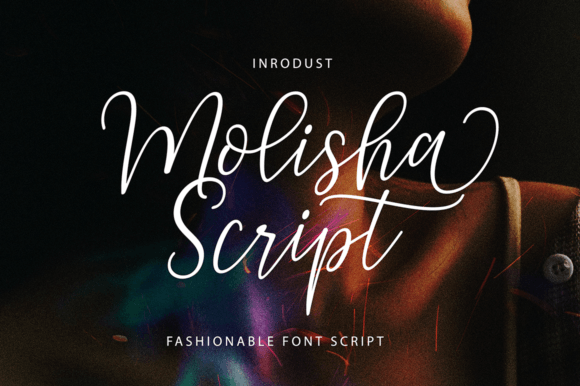
When you analyze Molisha Script visually, the first thing you notice is the consistency of its baseline. Many script typefaces struggle with the flow between letters, creating awkward gaps or clashing loops. Molisha, however, is neatly crafted. The connectors flow smoothly, mimicking the natural pressure variation of a hand holding a brush or pen. This attention to detail makes it a standout display font. It features high-contrast strokes—thick downstrokes and hairline upstrokes—that give it a dynamic, living energy.
The personality of this typeface is undeniably romantic and sophisticated, yet it avoids the trap of being overly formal or stuffy. It sits in a sweet spot that appeals to a wide demographic, from young adults to established professionals. Because it is PUA encoded, you are not limited to the standard character set. You have full access to a treasure trove of glyphs and swashes. This means you can customize the tails and entry strokes of letters to fit the exact shape of your logo design or headline, adding a level of bespoke craftsmanship that usually requires custom lettering.
Transforming Brand Identity and Recognition
Typography is the voice of your brand. While a sans serif font might shout clarity and a serif font might whisper tradition, a script font like Molisha speaks with emotion. For entrepreneurs and small business owners, this is a powerful asset. Using Molisha Script in your brand identity can instantly humanize your business. It tells your audience that there is a real person behind the logo, fostering trust and connection.
Consider how this affects visual hierarchy. In editorial design or web design, you rarely use a script font for body text. Instead, Molisha serves as the anchor. Use it for your H1 headers, pull quotes, or hero text on a landing page. When paired with a clean, geometric sans serif font for your paragraphs, Molisha draws the eye exactly where you want it to go. This contrast creates a rhythm that keeps the reader engaged. It prevents "text fatigue" and makes your content feel more digestible, which is a crucial factor in keeping users on your page longer.
Practical Applications: From Screen to Shelf
The versatility of Molisha Script is one of its strongest selling points. It functions beautifully across different media, provided you use it with intentionality. Here is how you can apply this creative font across various projects:
- Packaging Design: If you are selling artisanal goods, cosmetics, or food products, the shelf appeal is everything. Molisha adds a touch of luxury and "homemade" care to your packaging. It suggests quality ingredients and attention to detail before the customer even reads the label copy.
- Social Media Graphics: In the fast-scrolling world of Instagram or Pinterest, you need to stop the thumb. The elegant swashes of Molisha make for stunning quote graphics, announcement headers, and story overlays. It adds a layer of professionalism that generic system fonts simply cannot match.
- Stationery and Print: For wedding invitations, greeting cards, or boutique business cards, this font shines. The high level of detail ensures that it prints crisply, even at larger sizes where flaws in lesser fonts become glaringly obvious.
- Digital Products: For bloggers and publishers selling eBooks, presets, or courses, using Molisha on your cover art or sales page can significantly increase perceived value. It signals that your digital product is a premium asset.
Strategic Pairing and Readability
While Molisha Script is a dazzling display font, it requires a strategic partner. As a general rule of modern typography, you should avoid pairing two script fonts together, as they will compete for attention. Instead, look for a neutral serif font or a sans serif font with a low contrast weight.
For example, if you are designing a website header using Molisha, pair it with a legible sans serif like Montserrat or Lato for your navigation and body text. The neutrality of the sans serif allows the intricate details of Molisha to pop without overwhelming the viewer. This "high-low" contrast is the hallmark of sophisticated typography. It ensures that your brand identity feels both exciting and grounded.
Evaluating Fit and Commercial Licensing
Before integrating any design assets into your workflow, you must evaluate the fit and the legalities. First, test the font in the specific context of your project. Does the x-height match your other chosen typefaces? Do the swashes interfere with surrounding elements? Because Molisha is PUA encoded, you can easily copy and paste the special characters into your design software (like Canva, Adobe Illustrator, or Procreate) to test these connections.
Furthermore, always review the licensing. For commercial fonts, the license usually dictates where and how you can use the file. If you are a freelance designer creating a logo for a client, or a business owner printing merchandise, you need to ensure your license covers commercial use. Most premium font providers offer clear documentation on this. Respecting these licenses not only protects you legally but supports the type designers who pour hours into crafting these beautiful tools.
Ultimately, Molisha Script is more than just a file you download; it is a versatile component of your creative toolkit. Whether you are refining a logo design, sprucing up social media graphics, or laying out a magazine, its detailed craftsmanship and PUA-encoded flexibility offer a tangible upgrade to your visual storytelling. It allows you to communicate with elegance, clarity, and a distinct personality that resonates with your audience.